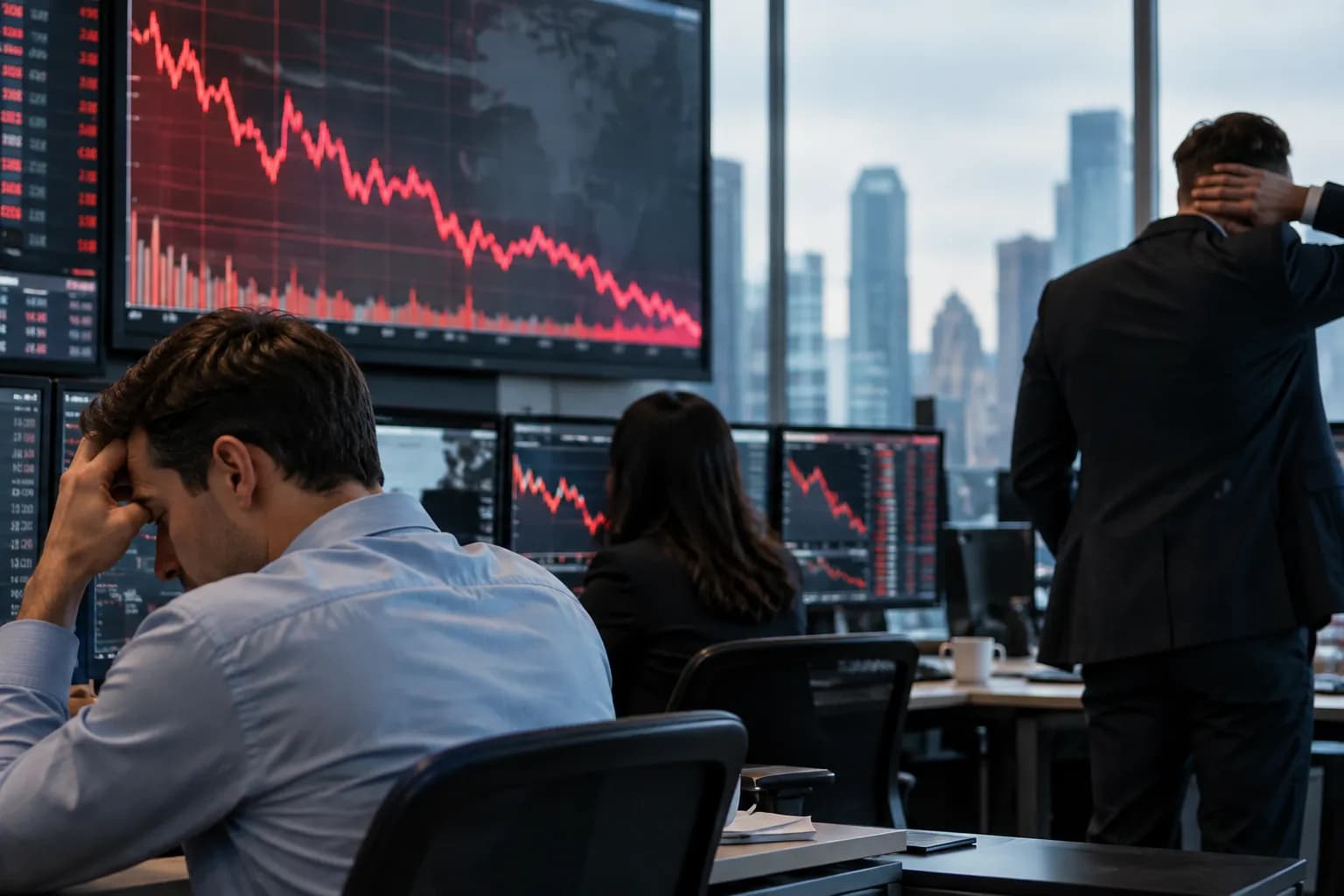
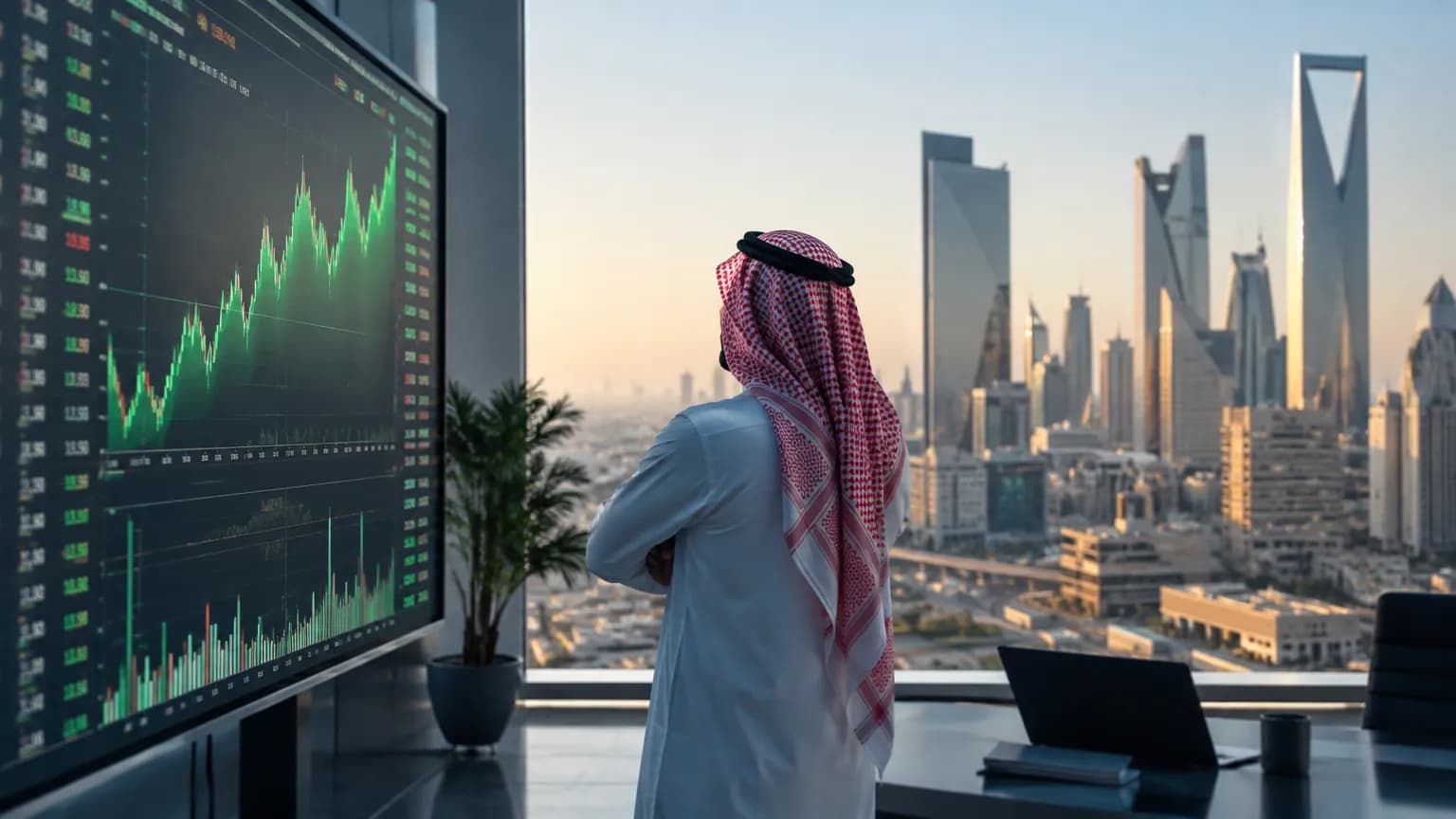
Jensen Huang's return to the helm of Nvidia gave global stock markets and the artificial intelligence sector a powerful boost.
The announcement of Huang's return pleased Wall Street investors. The optimism reached Gulf markets, especially Saudi financial markets, where investors are looking for opportunities created by the latest shift in investment sentiment.
Global markets reacted sharply. Nvidia shares surged by 35%. The rally also lifted sentiment across the US stock market.
Analysts linked the rise to renewed confidence in Huang's leadership of one of the AI market's main engines. Nvidia remains a crucial part of the technology ecosystem that supports digital infrastructure in the United States and beyond.
Global Stock Rally and Its Impact on Riyadh
The momentum also reached the Saudi financial market. Trading opened Tuesday with a strong rise in the main indices, led by the TASI index. Investors are watching fast-moving global developments carefully and assessing what they could mean for local stocks.
Mohammed Al-Farraj, Senior Head of Asset Management at Arbah Capital, told Asharq Al-Awsat newspaper:
"The return of momentum to US technology stocks does not necessarily mean a positive reflection on the general index. This is due to the local market's connection to several internal drivers, such as oil, government spending volume, and corporate performance results."
Al-Farraj added that this does not rule out a visible recovery in three main areas. The first is stronger investor appetite and global liquidity flows. The second is a clear increase in capital spending on digital infrastructure. The third is a repricing of the financial value of many local companies exposed to the same ecosystem.
Conditions for Saudi Companies to Become Strategic Industrial Partners
Saudi ambitions go beyond using technology. The Kingdom is seeking an active role in the industry of the future.
Al-Farraj said the opportunities created by the AI investment rush are not scattered at random. They are concentrated in connected sectors within the digital economy. That could help Saudi Arabia move from being a major technology importer to becoming a "strategic partner in its industry."
Established players such as Saudi STC stand out as incubators of digital innovation. The company has become a main pillar of change in the digital ecosystem.
The new project by Humane is also drawing growing attention from the Public Investment Fund. The Kingdom sees the initiative as important to upgrading the cloud ecosystem for data centers. It would help strengthen Saudi Arabia's position and place it on the global innovation map.
These initiatives follow detailed studies of vital resources in the Kingdom, especially the electricity sector. Electricity is essential to this transition. Cloud centers need sustainable energy and highly efficient cooling systems to operate effectively.
Companies like ACWA Power, the Saudi Electricity Company, and Aramco are key partners in sustaining the desired digital momentum. Digital technology companies, led by Elm, are also part of the picture. Elm is expected to benefit from the step change in energy-sector infrastructure.
Al-Farraj Outlines True AI Success Strategy
Al-Farraj highlighted "the importance of separating the sustainability of AI investment from the rise in stock values in financial markets." He warned that sudden changes in expectations in the US market do not necessarily apply to all local markets. Even so, investors remain highly alert and sensitive to developments in the sector.
Al-Farraj used the moment to speak plainly about real capabilities and realistic outcomes. He said they come down to three conditions. The first is whether contracts can be turned into real, measurable growth in net profits. The second is a rate of return that exceeds the cost of invested capital, showing management's efficiency in using resources.
The third condition is the ability to generate cash flows with greater freedom and flexibility. That would ensure they are not absorbed by a continuous stream of operating expenses.
In his concluding view, Al-Farraj said the larger test lies in Saudi Arabia's ability to capture this strategic opportunity. The Kingdom aims to localize supply chains and turn the accelerating investment cycle into added value for local economies.
He clarified in his statement, "The biggest winner of this race will not be the companies that merely market their capital in the AI sector. Rather, it will be those possessing solid infrastructure and tangible digital assets capable of transforming the technological revolution into sustainable cash flows and guaranteed profit margins."