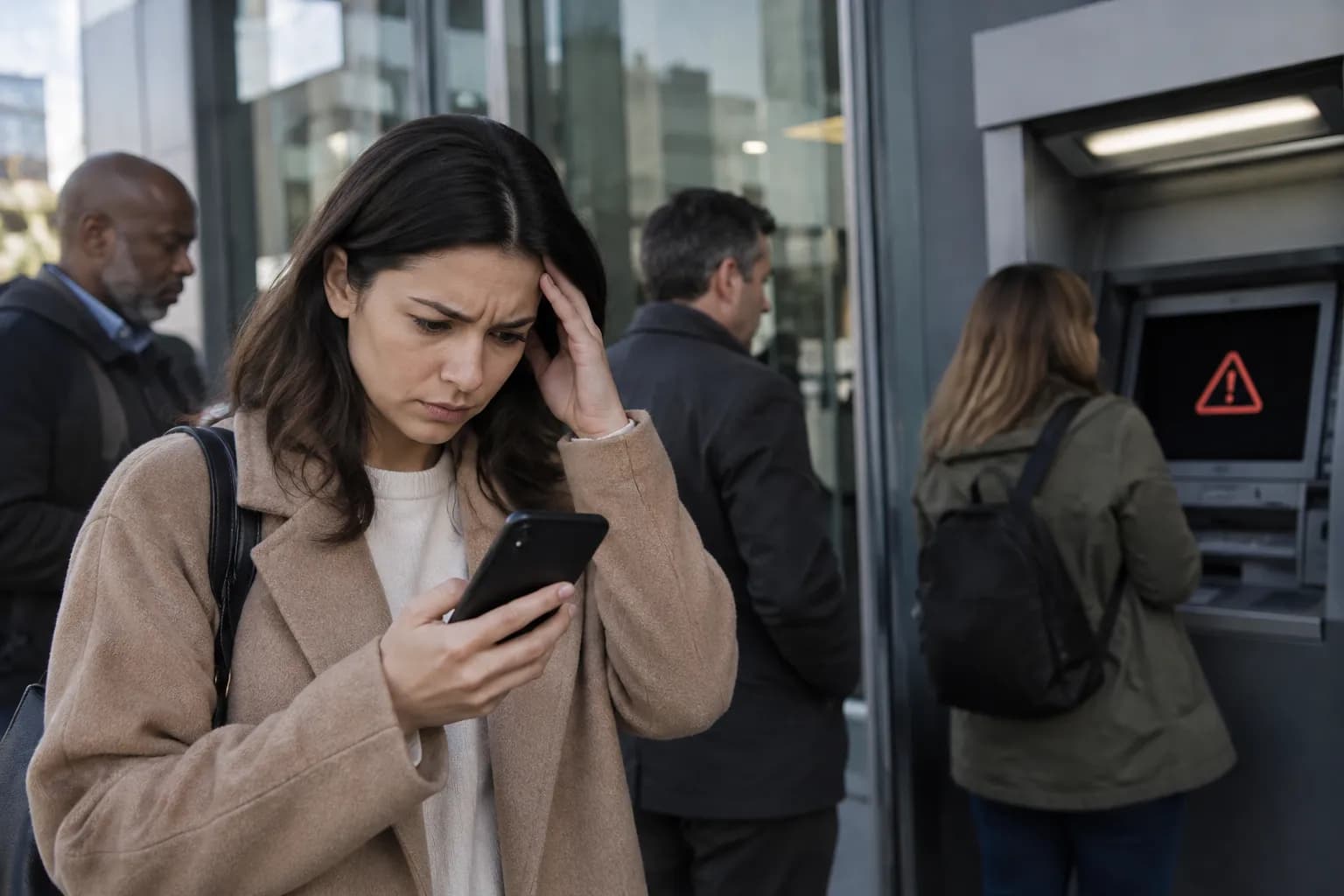
A software glitch hit the US banking sector on Monday evening, November 16, 2026, cutting millions of customers off from digital banking services nationwide. The outage paralyzed major banking institutions, including Chase Banks, Wells Fargo, US Bank and the Zelle payment platform.
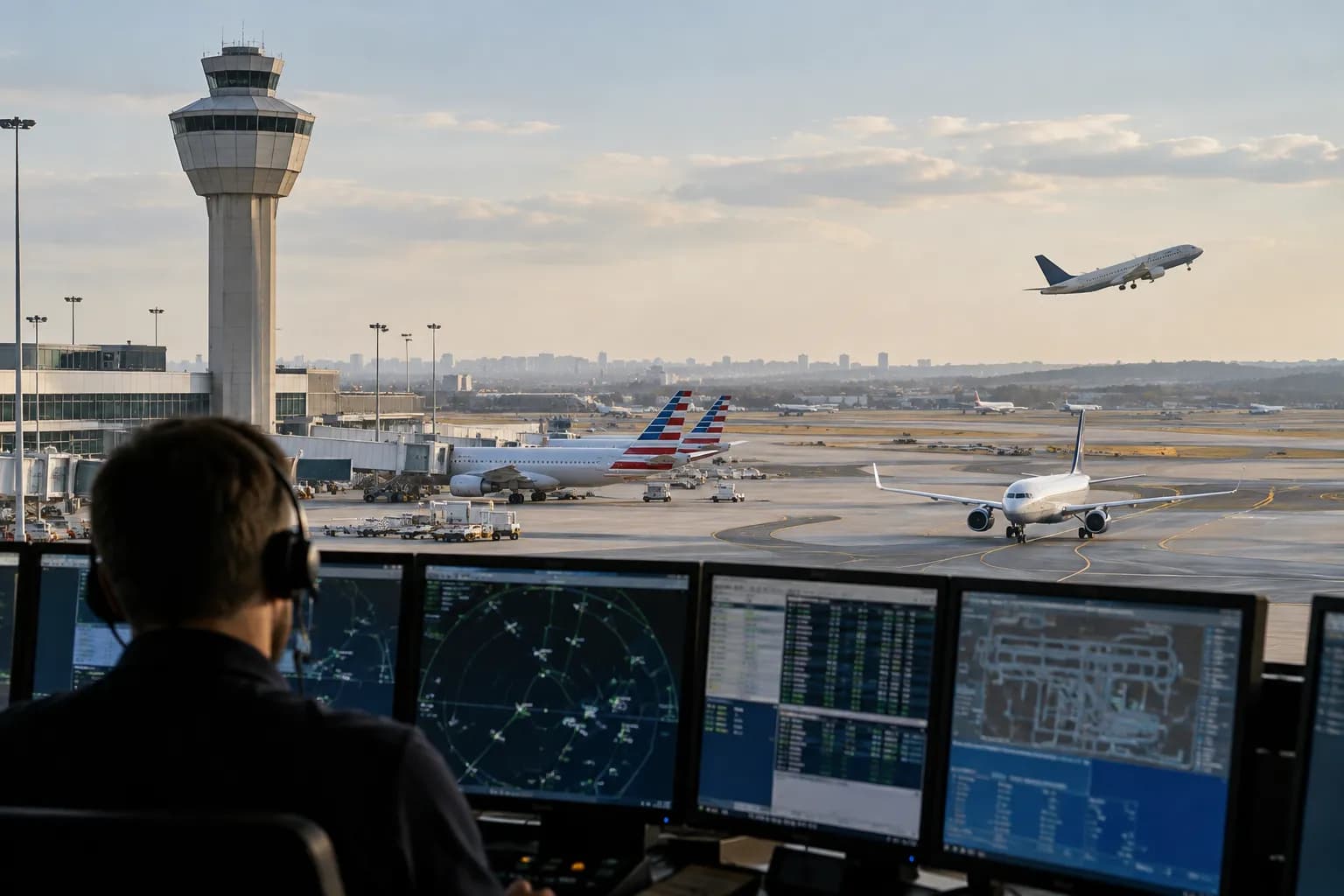
The outages came less than 48 hours after disruptions hit air traffic control systems and Microsoft services in the United States. New News covered those earlier incidents here.
Chase Banks posted on X about a software glitch affecting internal local hardware systems. The bank did not rule out the possibility that other banks were facing the same outage. Chase said the problem is temporary and confirmed it is making every possible effort to restore normal service.
US Digital Services Come Under Strain
At 5:00 PM on Monday, November 16, Downdetector filled with reports from thousands of US citizens. The outage-tracking site showed users were unable to access their bank accounts normally.
Kris Beevers, CEO and co-founder of NetBox Labs, spoke to the BBC about the situation.
"It is natural for people to start linking the banking outage to the recent events with aviation systems and Microsoft services, but this does not necessarily mean it is by malicious action," Beevers said.
Beevers blamed the aging services ecosystem, which has not had major upgrades in decades.
"Contrary to what people think, I don't sense any conspiracies. The matter simply indicates the obsolescence of the infrastructure, which does not keep pace with the rapid changes in managing the world's affairs," he explained.
Beevers said the incidents stem naturally from continued reliance on 40-year-old systems. He described the systems as burdened by four decades of accumulated technical debt. He said the only solution is to adapt to current global conditions and make real, rapid changes to the digital ecosystem. That would require a much deeper framework than usual.
He attributed the likely cause of all these outages to the integration of artificial intelligence into most services. AI puts extra pressure on old systems that were not built for such technology. He also pointed to the security risks that can follow such failures.
Beevers compared the situation to large-scale open-heart surgery that needs time before normal vitality returns.
He stressed the need to prepare for similar outages in other services in the coming months, citing the interconnected infrastructure of vital sectors and mounting pressure on those systems.
No Hidden Hands
Citizens believe officials' answers raise more questions than they answer. Many people remain affected by these outages.
Cybersecurity experts moved to reject any link between the current situation and the recent Microsoft and airline outages. Still, they said they understand the anxiety citizens feel about these incidents.
Sherrod DeGrippo, Vice President of Threat Intelligence at Palo Alto Networks, highlighted the fragility of the country's critical services infrastructure. She cited the rapid succession of outages during the same week. DeGrippo added that a single router failure could lead to severe nationwide disruptions.
Industry experts warned that such incidents are not just isolated outages. They point to a deeper structural flaw than appears on the surface. Even so, there is no evidence so far of external conspiracies. Experts also ruled out the theory that an out-of-control AI system was behind these events.
Joint Efforts for a Quick Solution
Chase Banks officials tried to reassure customers that the issue is only a temporary problem caused by a software glitch. At the same time, United Airlines is dealing with its own technical issues.
The airline told BBC News that it faces a widespread outage in its digital ecosystem. The outage affects air traffic and departure plans, though flights already in the air remain unaffected. United Airlines confirmed it expects air traffic to return to normal soon.