Hyundai has given the 2027 Elantra a broad update. The company wants to strengthen the sedan's appeal as demand declines in some global markets.
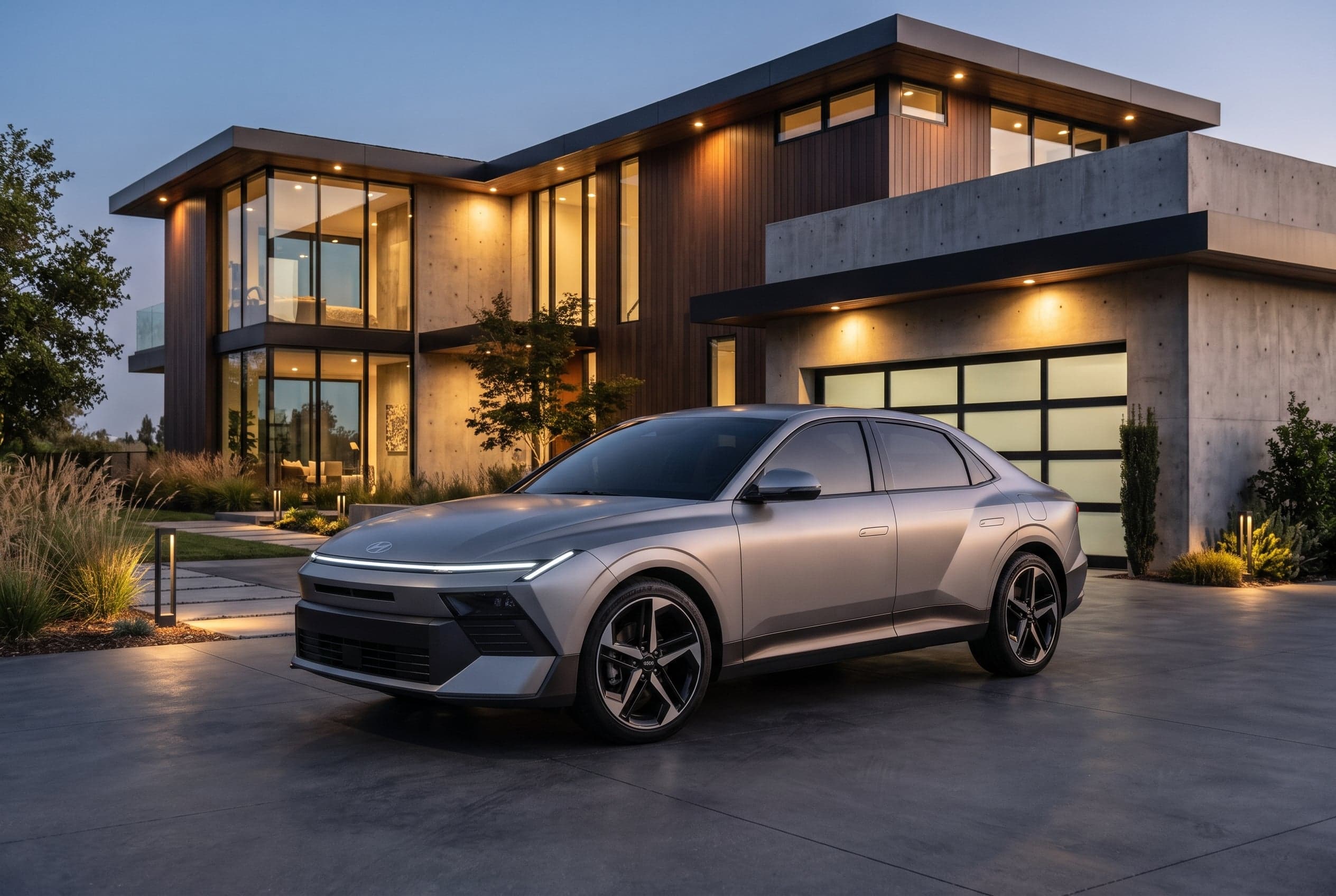
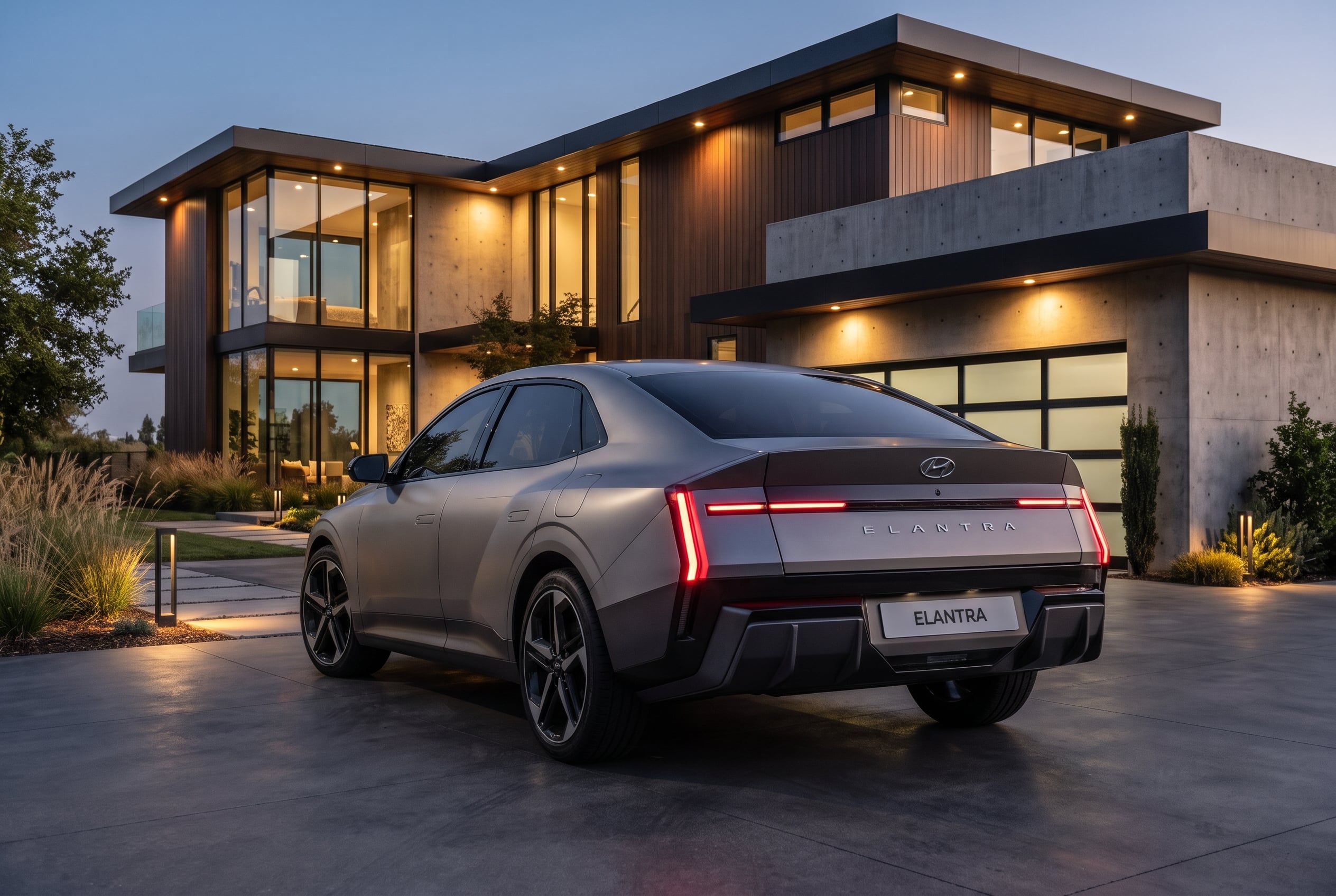
The new car follows a design philosophy Hyundai calls "Art of Steel." The look first appeared on the Boulder concept model. The exterior has sharp geometric lines, wide fenders, defined headlights and a square-angled rear.
SangYup Lee, Executive Vice President and Head of Hyundai Global Design Center, said:
The new model focuses on the practical proportion of sedan dimensions. It enhances the sporty presence through a long hood and balanced proportions that challenge traditional concepts of the compact class.
The Elantra is larger than the previous generation. Overall length grew by 3.3 inches. Width increased by 1.1 inches, and the wheelbase lengthened by 1.1 inches.
Bolder Exterior and Larger Dimensions
Hyundai said the changes add over 1 inch of space in the rear seats.
Exterior features include the H-Edge lighting system and a redesigned front grille. The car also gets slim side mirrors and integrated door handles.
Inside, the company uses a "curved upholstery" approach. The dashboard has an asymmetrical layout. It directs manual and visual controls toward the driver for easier access and comfort.
The new Elantra models come with the Pleos Connect infotainment system and a 12.9-inch central screen. A digital driver information display sits in the driver's line of sight and shows key indicators.
The Elantra includes 15-watt dual charging and an advanced Bang & Olufsen audio system. It also features the in-house Digital Key 2 system and 100-watt USB ports.
Cabin updates include four black upholstery patterns. Two additional options combine burgundy and rosy ivory, or light beige.
Hybrid and Traditional Engine Options
The 2027 model offers two powertrain options. The first is a 1.6-liter four-cylinder hybrid engine. It produces 154 horsepower and pairs with a six-speed dual-clutch transmission.
The second option is a traditional 2.0-liter four-cylinder gasoline engine. It generates 146 horsepower and pairs with a continuously variable transmission.
The hybrid model has a proactive driving system. It analyzes data to predict road conditions and monitor driving patterns, helping reduce fuel consumption.
The car adds a Stay Mode feature inside the cabin. It allows the air conditioning, audio system and charging ports to run for 30 minutes after the engine stops.
The traditional fuel model is expected to arrive by 2027. Hyundai plans to delay the hybrid model until 2028. The company will reveal more details about both models closer to their US market launch.