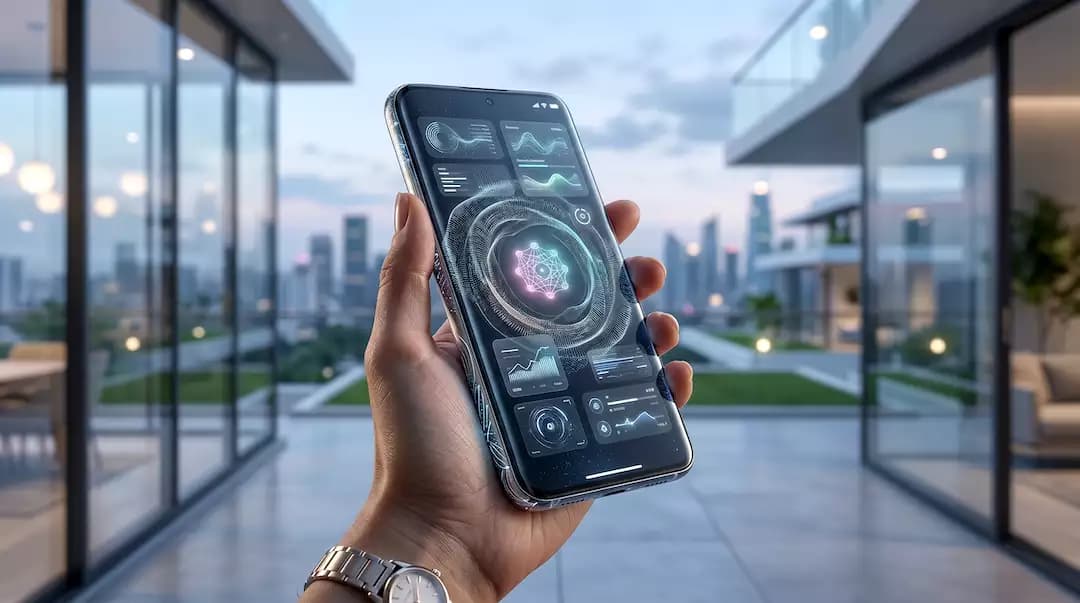
In a move that could redraw the global phone market map, OpenAI is preparing to enter the smartphone market with a new innovation integrating AI technologies. This could radically transform the mobile user experience, at a time when major companies like Apple and Samsung have dominated the sector for years.
According to recent reports, the company is developing its own smartphone based primarily on a single smart agent capable of executing tasks directly, without the need for dozens of traditional apps that clutter mobile screens.
Will the revolutionary new phone mark the end of the traditional app era?
OpenAI's vision centers on developing a smarter and simpler system, where the smart assistant instantly recognizes the user's needs and executes them in real time, whether it involves scheduling appointments, communicating, searching, or performing daily tasks.
According to a report published by Digitaltrends, the company's CEO, Sam Altman, highlighted the importance of rethinking the design of operating systems and user interfaces to suit modern AI capabilities.
OpenAI aims to integrate AI into daily usage
OpenAI's new project aims to provide an integrated and unique user experience by relying entirely on AI, saving time and effort instead of navigating between traditional apps.
Experts believe OpenAI seeks to enter the smartphone market to achieve full control over the tech experience by integrating hardware and software into a comprehensive ecosystem, allowing for more flexible and efficient performance.
Furthermore, the smartphone is an ideal platform for understanding user behavior more deeply through daily usage data, enhancing AI's ability to predict needs and provide smarter services.
Additionally, the smartphone sector constitutes the world's largest tech consumer market, giving the company a vast opportunity to deploy its technologies and reach millions of users globally.
Expectations indicate that the new phone will rely on a dual operating model, where simple tasks are executed locally on the device, while more complex operations are transferred to the cloud. This approach is similar to some of Apple's offerings, but with a greater focus on AI.
Strong partnerships and ambition for an AI-led smartphone future
Reports suggest that OpenAI may collaborate with companies like MediaTek and Qualcomm to develop processors, while Luxshare may handle design and manufacturing, giving it an opportunity to strengthen its presence in global supply chains.
Despite previous attempts by companies to develop AI-based devices, such as the Humane AI Pin, they have not achieved the desired success. However, experts believe OpenAI's entry into the competitive arena could change the rules of the game, especially if the company succeeds in fully integrating AI into users' daily lives.
Estimates indicate that the new OpenAI phone may not see the light of day before 2028. The new project reflects a clear trend toward a future where smartphones transition from app platforms to AI-led platforms.