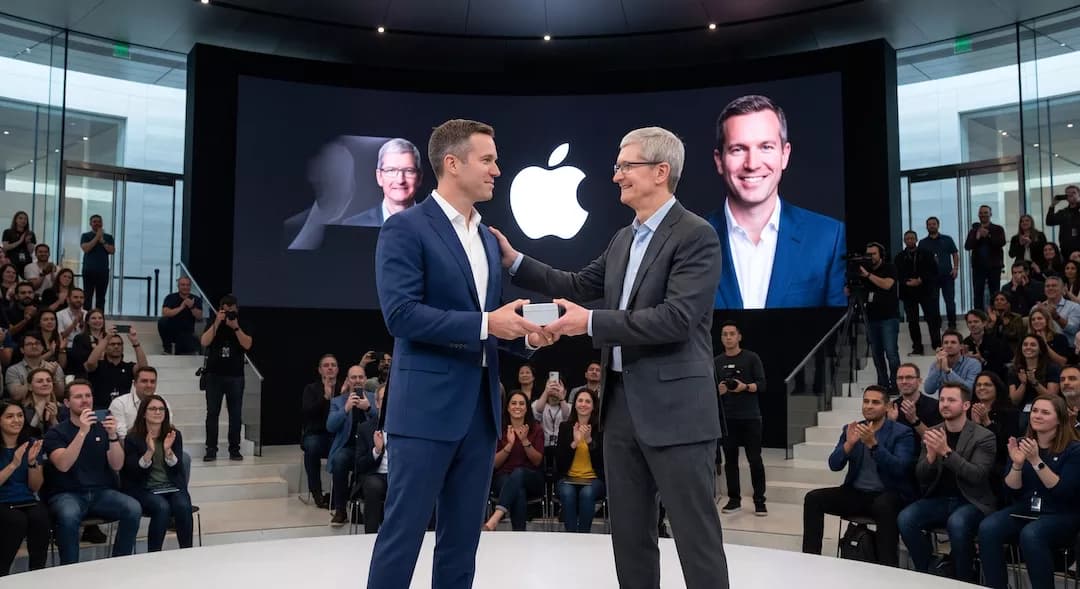
A new phase in the tech world begins with John Ternus taking over as CEO of Apple, succeeding Tim Cook, who has ended a nearly 15-year run at the helm of one of the world's largest tech companies.
Ternus arrives at the position at a highly sensitive time. While Apple continues to lead the smartphone market, the company still faces a clear challenge in artificial intelligence compared to several competitors who have made greater strides in developing AI technologies and products.
The new CEO's mission is not limited to catching up in the AI race. He will also have to handle a highly complex issue regarding Apple's heavy reliance on China for manufacturing and supply chains, alongside growing political pressure from the US administration.
The End of the Tim Cook Era and a New Chapter for Apple
The leadership transition marks the end of the Tim Cook era. Cook, who became CEO in 2011, successfully expanded Apple's business and enhanced its global presence during his tenure, launching new products and services such as the Apple Watch, AirPods, Apple Vision Pro, iCloud, Apple Pay, and Apple Music.
Cook is set to transition to the role of Executive Chairman of the Board, remaining close to the company, particularly in matters related to relations with policymakers worldwide.
As for the 51-year-old Ternus, he is no stranger to Apple's halls. He joined the company in 2001 as part of the product design team and gradually worked his way up to become Senior Vice President of Hardware Engineering, a position he has held since 2021 before taking the helm.
During his previous career, Ternus oversaw the engineering teams responsible for a wide range of the company's products, including the iPhone, iPad, AirPods, and other devices that form the backbone of Apple's business.
Artificial Intelligence: The Biggest Test for John Ternus
Perhaps the biggest test for the new CEO will be determining how Apple will fight the AI battle. Despite its immense strength in the hardware market, the company has appeared to lag behind tech competitors who have made AI a core focus of their strategies and products.
Analysts believe that Ternus's selection may reflect Apple's desire to continue focusing on hardware innovation rather than turning AI into a standalone product. This vision is based on the fact that users still interact with devices as the primary entry point to new technologies.
Other analysts argue that choosing a hardware engineering chief instead of a prominent software and AI executive carries a clear message: Apple wants to integrate AI within its current devices and ecosystem, rather than treating it as a field separate from the user experience.
A Quick Test with a New iPhone and Foldable Phone
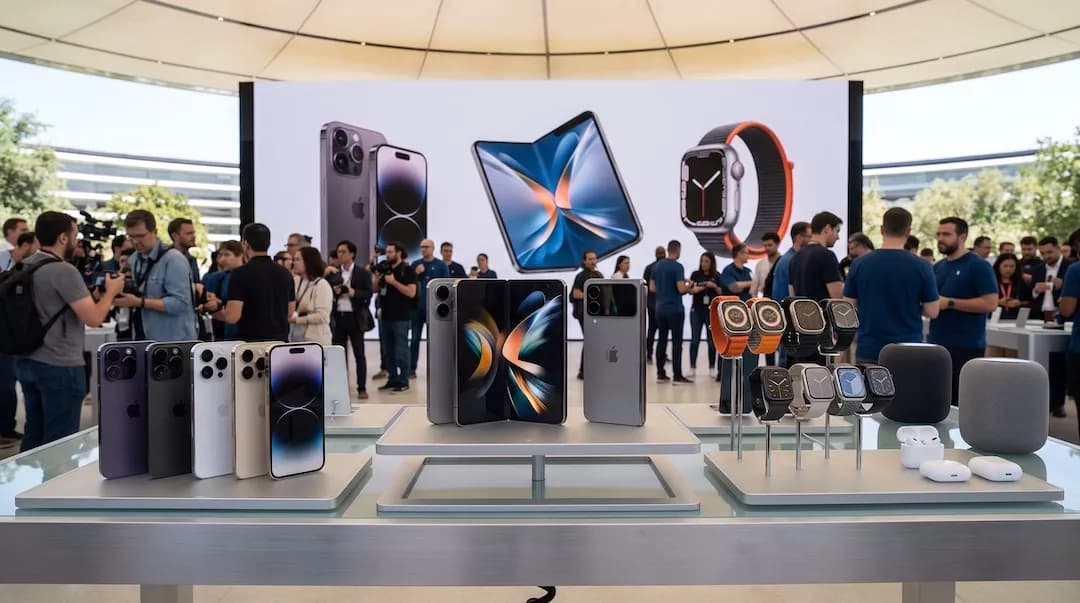
Ternus will not have much time to catch his breath, as Apple prepares to hold its annual iPhone launch event on September 9, amid expectations of unveiling the new generation of the iPhone, alongside the first foldable phone in the company's history.
Apple's entry into the foldable phone market comes at a time when other companies, led by Samsung, dominate this relatively limited but growing sector. IDC estimates suggest that foldable iPhone shipments could reach about 17 million units, with Apple potentially capturing a 40% market share by the end of next year.
The company is also preparing to launch a new version of the Siri voice assistant within iOS updates, featuring more advanced conversational capabilities and personalized content delivery for users.
Will Apple Catch Up in AI Under the New CEO?
It seems Ternus will not necessarily seek to radically change what Cook has built. Instead, he may focus on what he knows best: engineering, hardware development, and improving the user experience, while integrating AI more deeply into Apple products.
However, the real question will not be about Ternus's ability to manage Apple as an operational system, but rather about the kind of leader he will become, and whether he can translate his engineering expertise into a strategic vision capable of returning Apple to the forefront of the AI race.
As the company transitions from the Cook era to the Ternus era, it appears the upcoming battle will not just be about a new iPhone or a foldable device, but about a bigger question: Can Apple make AI a core part of its devices' future before competitors outpace it?