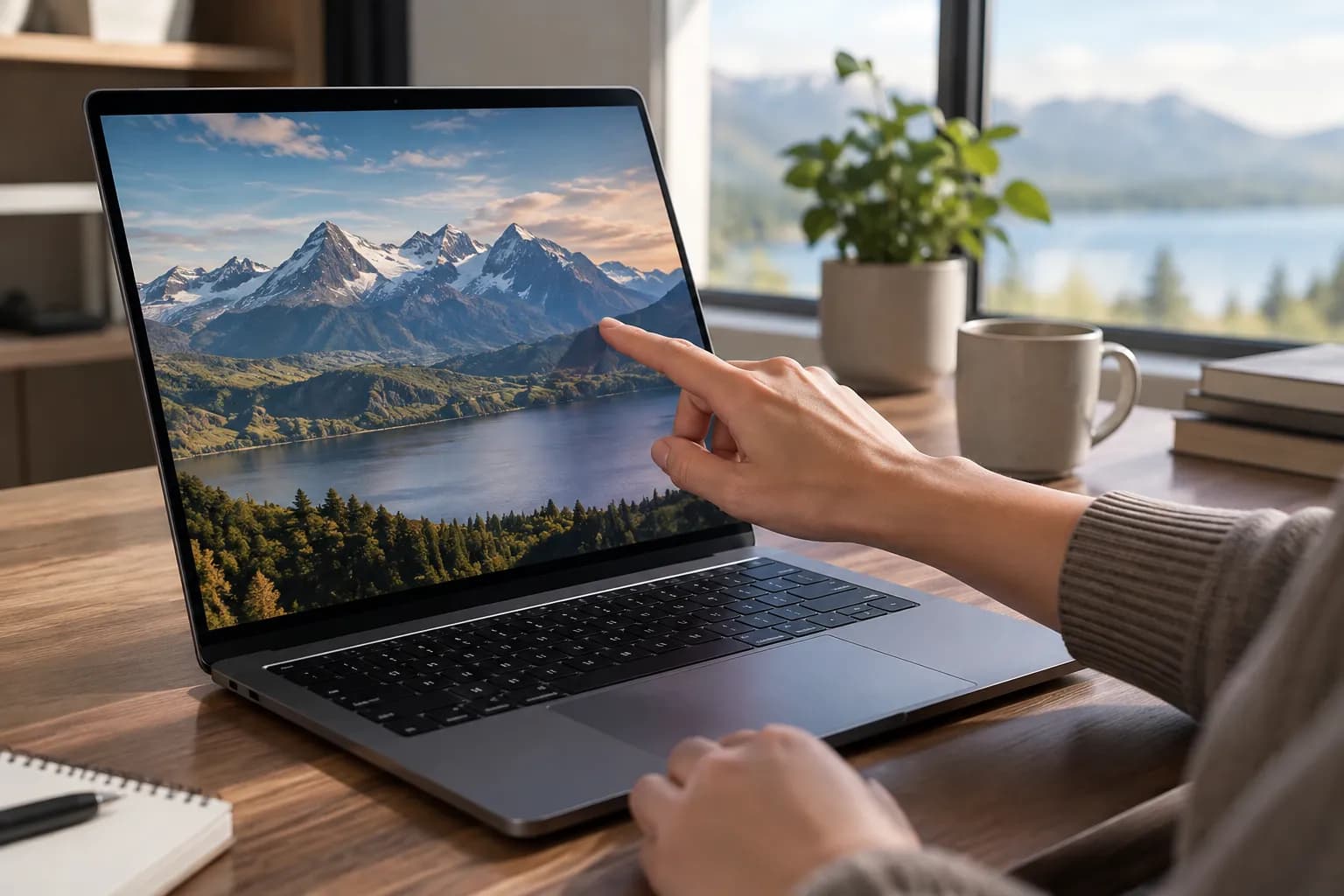
In a striking shift in its product strategy, Apple has unveiled a new generation of MacBook Pro computers, marking the first release in Mac history to feature a touchscreen, ending a nearly 20-year stance of refusing to adopt this technology in its laptops.
The new MacBook Pro features a thinner and lighter design compared to previous generations, with 14- and 16-inch screen options, alongside a range of technical updates aimed at enhancing user experience and performance.
OLED Screen and Touch: A New Leap for MacBook Pro
The adoption of an OLED screen is the most prominent change in the new release, making it the first Mac family computer to use this technology, which Apple previously adopted in the latest generations of the iPhone and iPad.
The updates are not limited to screen quality but also include support for direct touch interaction. The company redesigned the user interface to provide a more suitable experience for finger control, alongside the trackpad familiar to Mac users.
Apple also added the Dynamic Island feature to the computer for the first time. This feature, which previously appeared on iPhones, provides a new way to display alerts, information, and various activities.
M5 Pro and M5 Max Processors and Prices Starting at $2,899
In terms of performance, the touchscreen MacBook Pro is available with options for Apple's new M5 Pro and M5 Max processors. This move aims to meet the needs of professional users, especially those working in design, video editing, and intensive computing tasks.
Prices for the new release start at $2,899 for the 14-inch model, while the larger 16-inch version starts at $3,399, placing the device in the higher-priced categories of the laptop market.
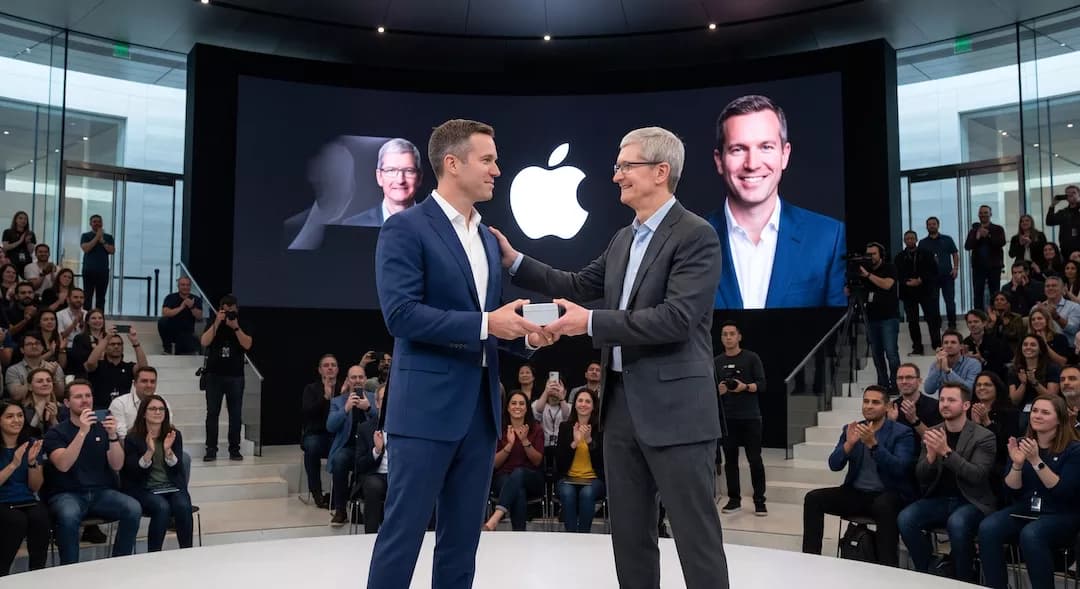
Johny Srouji, Apple's senior hardware officer, described the device as a major step forward for Mac computers. Meanwhile, the company's new CEO, John Ternus, introduced it during the event, having taken over the position from Tim Cook last month.
Why Did Apple Reverse Its Stance on Touchscreens?
This launch represents a significant shift in Apple's philosophy regarding laptops. For many years, the company firmly rejected integrating touchscreens into Mac devices, despite the widespread use of this technology in competing computers.
Company co-founder Steve Jobs was one of the most prominent opponents of this idea, arguing that using a touchscreen on a laptop does not provide a comfortable user experience. Tim Cook also previously criticized the idea of combining a laptop and a tablet into a single device.
However, the company's direction began to change gradually. Previous Bloomberg reports indicate that Cook and John Ternus supported reconsidering this stance about four years ago, paving the way for introducing touch technology to MacBook Pro devices.
Bloomberg first revealed Apple's plans to add touchscreens to MacBook Pro computers in January 2023, before later publishing details related to the new screens, software interfaces, processors, and design.
A New Strategy to Boost Mac Sales
Adding a touchscreen does not appear to be merely a technical update. It is part of a broader trend at Apple to revamp the Mac computer lineup and enhance its competitiveness by offering advanced features that justify higher prices and support revenue growth.
This step reflects the company's desire to develop the user experience of its computers while leveraging its expertise in screen technologies and interactive interfaces, developed over years in iPhones and iPads.
Thus, the new MacBook Pro with an OLED touchscreen opens a different phase in the history of Apple computers, with anticipation over how successful this experiment will be in attracting professional users and pushing the company toward further changes in future Mac generations.
Related Articles
- Apple announces an upcoming event on October 28.. Will it reveal the first touchscreen MacBook?
- Apple launches iPhone 18, foldable Duo phone, watches, and new devices
- Official: John Ternus becomes Apple CEO following Tim Cook's departure