Traditional passports could become a thing of the past within the next five years, as Dubai Airports moves toward adopting biometric technologies and digital identities to facilitate passenger movement across international borders and reduce the need for paper documents during travel.
Paul Griffiths, CEO of Dubai Airports, said the technology needed to dispense with physical passports is already available, noting that the main challenge currently lies in linking systems between governments, airlines, and airports, and agreeing on unified standards for recognizing digital identities across borders.
In a post on LinkedIn, Griffiths explained that verifying passenger identity using biometric data has become possible, yet travelers are still required to present their documents multiple times during various stages of the journey.
Digital identity could completely change the travel experience
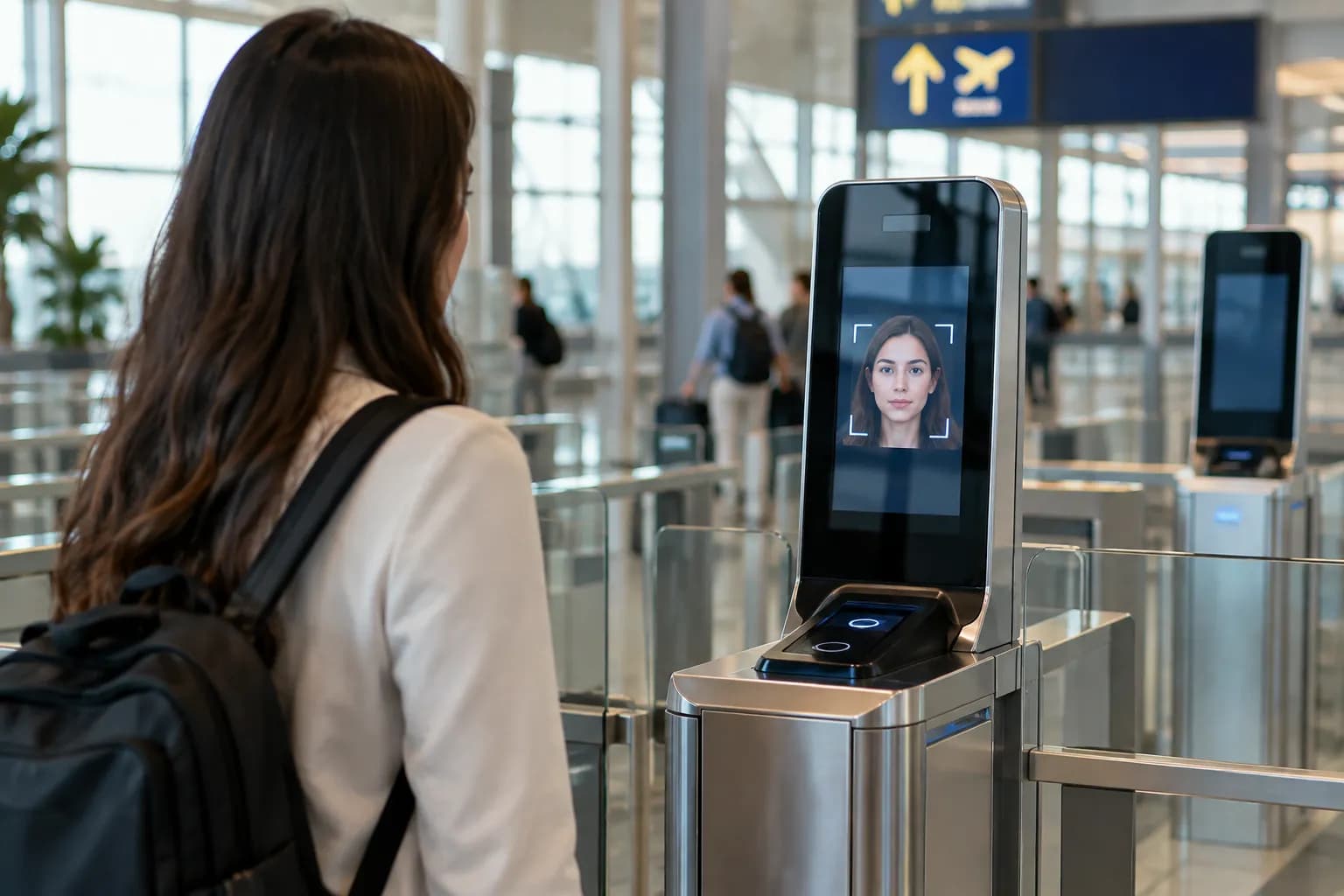
The CEO of Dubai Airports believes that creating a unified system for connected digital identities could allow passengers to pass through airports without needing to present their passports, ultimately eliminating the need to carry the traditional document entirely.
He pointed out that countries may adopt this technology at varying speeds, but this requires enhanced collaboration among relevant stakeholders to accelerate its implementation.
This vision is not limited to security and border control procedures but extends to various stages of the trip, as the same digital identity can be used when crossing international borders, picking up rental cars, and checking into hotels.
This transition aims to reduce the time travelers spend repeatedly proving their identities, providing them with an easier and more seamless travel experience.
Griffiths emphasized that achieving this goal requires close cooperation between the aviation and tourism sectors, explaining that the technology is ready, while the speed of its spread will depend on the level of coordination among various parties.
Dubai International Airport welcomes 31.5 million passengers in H1 2026
These remarks coincide with Dubai Airports' continued investment in modern technologies and the improvement of operational processes, aiming to enhance the passenger experience at Dubai International Airport (DXB).
The airport welcomed 31.5 million passengers during the first half of 2026, amid a gradual recovery in airline traffic and rising travel demand during the second quarter, following a period of significant operational challenges.
Despite the continued impact of restrictions on regional airspace, passenger numbers gradually increased from 3.5 million in April to 4.5 million in May, reaching 5 million passengers in June.
By the end of June, around 50 international airlines were operating through the airport, connecting it to 217 destinations in 99 countries.
Tech investments to boost Dubai Airport efficiency
Dubai Airports continues to implement a broad investment program to develop operational infrastructure and improve the passenger experience, coinciding with the return of airline flight schedules to more active levels.
These investments include upgrading passenger facilities, launching a unified departure experience from remote stands, and expanding self-service options, alongside the continued development of biometric verification systems.
The airport is also working to improve passenger flow and develop smart operational systems, contributing to reduced congestion and increased movement efficiency within the airport.
During the first half of 2026, 98.98% of departing passengers completed passport control procedures in under 10 minutes, while 98.95% of arriving passengers finished the procedures in under 15 minutes. Additionally, 99.34% of passengers cleared security screening in less than five minutes.
Dubai Airports expects to achieve greater momentum during the second half of the year, supported by the recovery of international airline networks and increased connecting flights, along with the winter flight schedule and the commercial, entertainment, and sporting events hosted by Dubai.
In light of these developments, Dubai's investments in biometric technologies and digital services reflect its drive to reshape the travel experience, making digital identity a potential alternative to the traditional passport and transforming international mobility procedures into a faster and more connected experience.