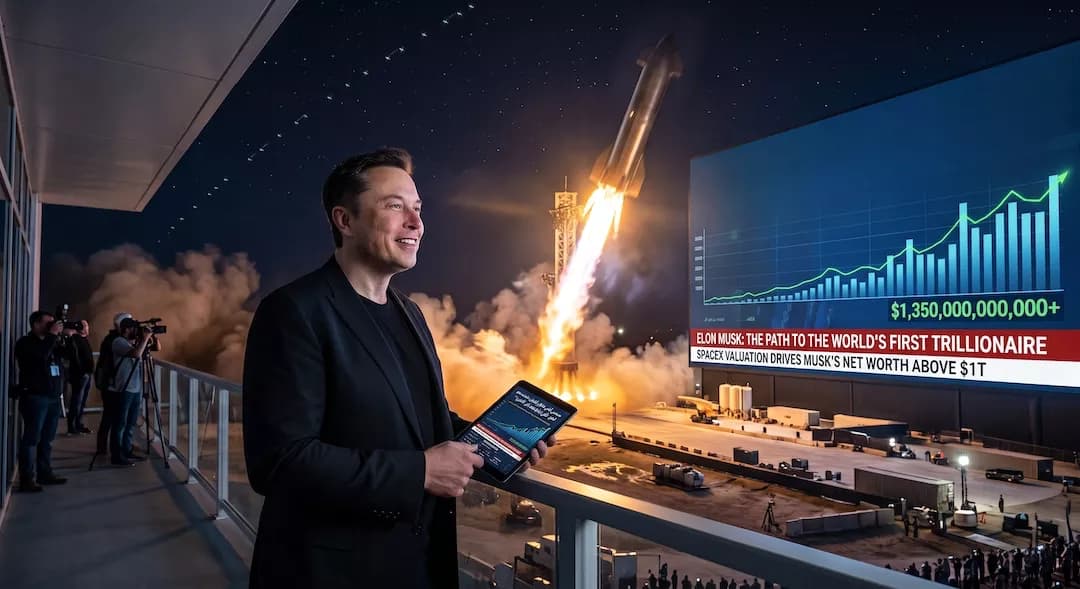
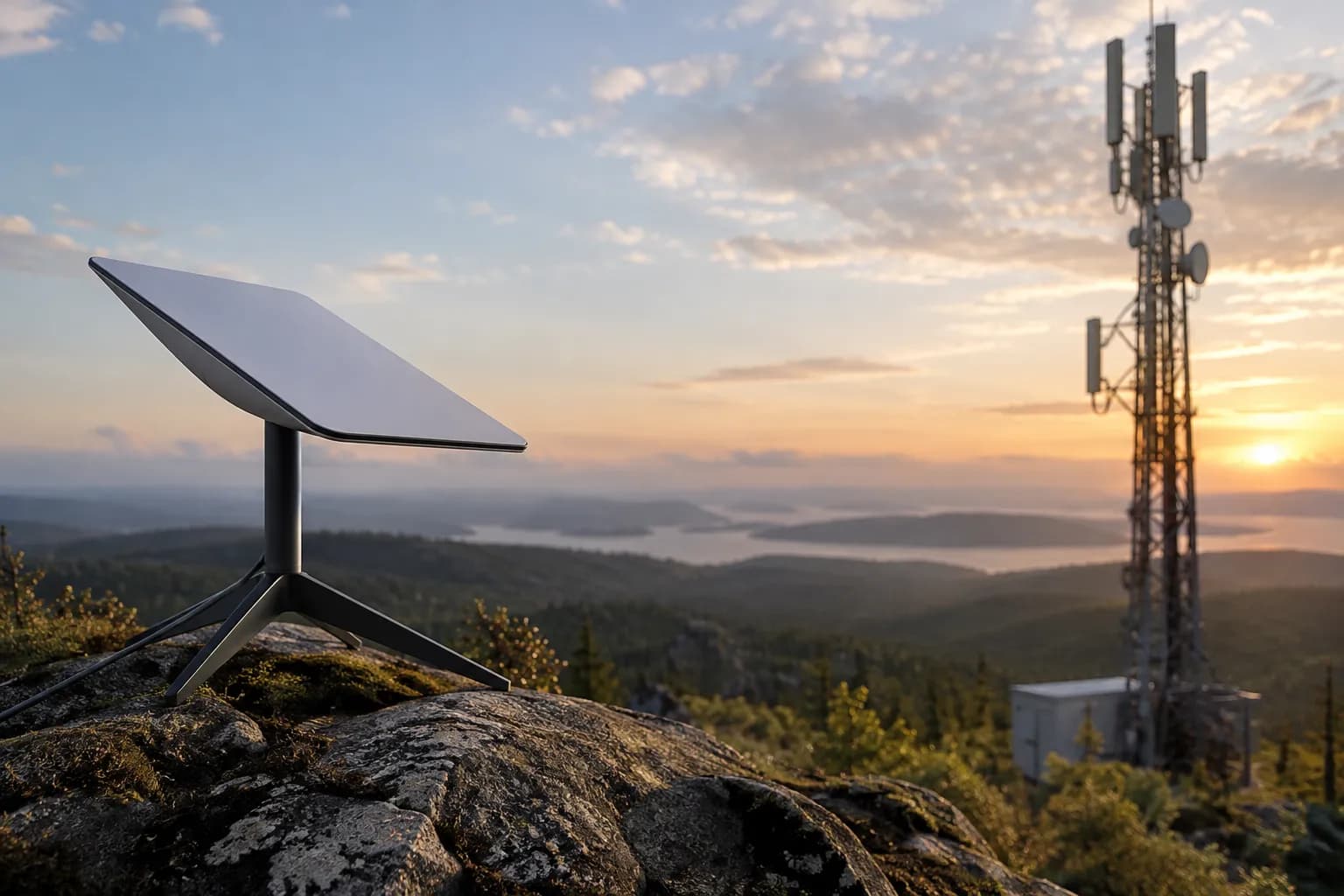
Billionaire Elon Musk's SpaceX is gearing up for a strong entry into the mobile telecom market, announcing plans to transform Starlink Mobile into a major US mobile network operator to rival industry giants like AT&T, Verizon, and T-Mobile.
Although the company has already deployed thousands of satellites capable of providing direct-to-cell connectivity, its biggest challenge lies in building a terrestrial 5G infrastructure that enables it to offer comprehensive telecom services to compete with traditional networks.
Partnership with Qualcomm to Develop 5G Network
As part of these plans, SpaceX has entered into a multi-year agreement with Qualcomm to use its telecom network technology, known as Dragonwing, to power tens of thousands of 5G network sites and stations across the United States.
The deployment of these technologies is scheduled to begin in 2027, marking a significant step toward building a large-scale mobile telecom network that combines terrestrial infrastructure with satellites.
This partnership is part of SpaceX's strategy to expand its presence in the telecom market and offer a service capable of competing with the major companies dominating the US market.
Will SpaceX Acquire Boost Mobile?
Elon Musk's moves are not limited to building network infrastructure. Press reports indicate that SpaceX has held talks regarding a potential deal with Boost Mobile, which could allow it to launch the Starlink Mobile service through the company.
According to a report published by The Washington Post, Musk discussed the possibility of an agreement last month with Charlie Ergen, chairman of EchoStar, which owns Boost Mobile.
The possibilities raised include SpaceX acquiring Boost Mobile or leveraging its existing network to launch its services.
However, executing this move may require approval from T-Mobile and AT&T, given that the Boost Mobile network currently relies on their infrastructure to provide telecom services.
80,000 Telecom Sites to Boost Network Expansion
As part of its plan to expand geographic coverage, SpaceX is also seeking access to at least 80,000 telecom cell sites across the United States, according to a Bloomberg report.
The report notes that the company is in talks with Crown Castle, one of the largest US cell tower owners, aiming to utilize its infrastructure to deploy the new network.
This number represents about half of the active cell towers in the United States, which total approximately 158,500 towers, according to data cited by Reuters.
SpaceX plans to integrate these ground stations with Starlink's satellite network to provide broader coverage and greater connectivity capabilities, combining the advantages of terrestrial networks and satellite communications.
New Spectrum Paves the Way for Starlink Mobile
In October 2026, SpaceX announced its acquisition of a set of low-band spectrum licenses, a move it described as paving the way to transform Starlink Mobile into a major telecom company in the US market.
The licenses include up to 14 MHz of paired spectrum in the 800 MHz band, which is characterized by its superior ability to penetrate walls and buildings compared to higher frequencies.
The deal is expected to receive approval from the US Federal Communications Commission (FCC) before the company begins implementing its new infrastructure, which combines direct-to-cell satellite services with a terrestrial telecom network.
SpaceX had previously acquired 2 GHz spectrum from EchoStar as part of its efforts to develop direct-to-mobile connectivity services.
Costly Competition That Could Exceed $200 Billion
SpaceX's ambitions have sparked widespread interest within the telecom sector, especially as the company moves to compete with firms that already possess massive infrastructure and a broad customer base.
In this context, Tim Höttges, CEO of Deutsche Telekom, which owns T-Mobile, said he takes SpaceX's plans very seriously but noted that realizing these ambitions could cost Elon Musk more than $200 billion.
This estimate reflects the scale of investments required to build a comprehensive telecom network capable of competing with traditional companies, particularly since the project does not rely solely on satellites but also requires establishing a vast terrestrial network of stations, broadcast sites, and supporting technologies.
As these moves accelerate, SpaceX seeks to redraw the map of the mobile telecom market in the United States, capitalizing on the combination of satellite technology and 5G networks in an attempt to transform Starlink Mobile from a satellite communication service into a direct competitor to major telecom companies.