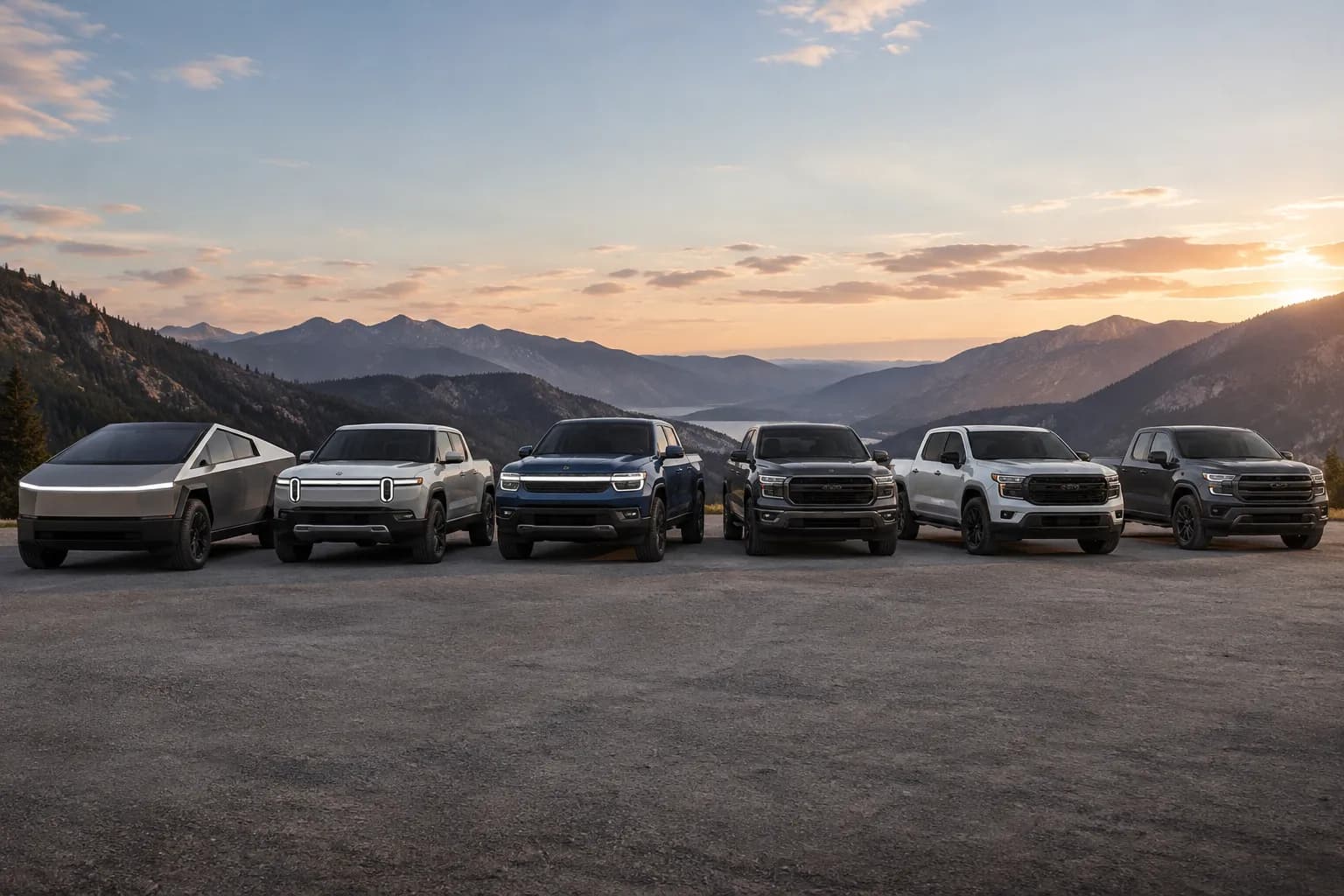
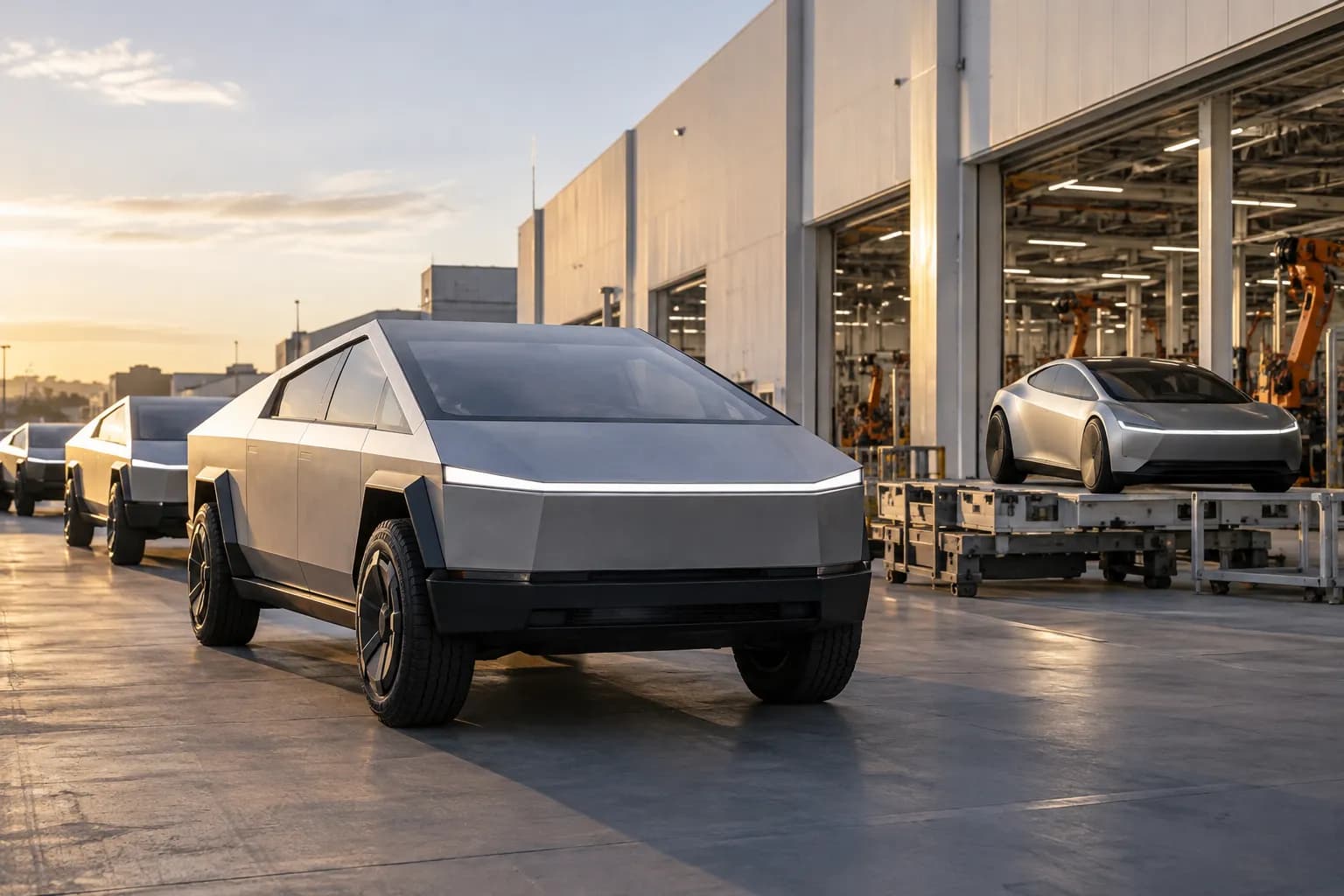
Tesla's controversial electric truck, the Cybertruck, is nearing the end of its production phase at the company's Texas factory, after Elon Musk confirmed that Tesla intends to gradually reduce its production by mid-2027 to make way for increased manufacturing of its autonomous "Cybercab."
In a post on the X platform, Musk did not clarify whether the company will move the truck's production to another factory or if it plans to end its manufacturing entirely. However, the decline in its sales compared to the targets previously announced by Tesla increases the likelihood of its departure from the production line.
Cybertruck Sales Fall Far Short of Tesla's Ambitions
Tesla first unveiled the Cybertruck in November 2019, featuring a sharp design, geometric angles, and a stainless steel body, in an attempt to offer an electric truck completely different from traditional models.
Its price was supposed to start at $39,900, but when customer deliveries began in November 2023, the base model's price was much higher than announced, before subsequent price adjustments made the truck more difficult commercially.
Tesla was also unable to convert initial interest in the truck into sustained demand. It had targeted producing 250,000 units annually, while actual sales fell far short of these expectations.
According to Kelley Blue Book estimates, Tesla sold 11,586 Cybertrucks in the United States during the first nine months of 2026, a 28% decrease compared to the same period the previous year. Meanwhile, its cumulative sales reached slightly under 71,000 units, according to Car and Driver.
Frequent recalls and manufacturing quality complaints added to the challenges faced by the truck, along with its divisive design, which attracted some customers while failing to appeal to others.
Cybercab Takes Up More Space in Tesla Factories
Tesla currently plans to allocate more of its production capacity to the Cybercab, an autonomous vehicle specifically designed to operate as a robotaxi. It features two seats, without a steering wheel or pedals, as part of Elon Musk's shift to transition the company from manufacturing electric vehicles to expanding in autonomous transport.
If Tesla adheres to the announced timeline, the Cybertruck will have spent less than four years in the customer-oriented production phase before its manufacturing is scaled down, a relatively short period for a vehicle that garnered such attention and expectations.
Will Cybertruck Disappear Completely From Tesla's Lineup?
Musk's statement still leaves the possibility of moving production to another factory open, but the report suggests that the company is on track to end the truck's production, especially with its growing shift toward autonomous vehicles and robotics.
This comes following reports of halting the production of the Model S and Model X, which could lead to a reduction in Tesla's traditional vehicle lineup, marking a clear shift from its previous ambitions to expand its range of electric vehicles.
Although the Cybertruck represented a bold experiment with its unconventional design, its high price and limited appeal made expanding its production difficult. In contrast, Tesla fans are still anticipating the second-generation Roadster, which finally appears to be nearing the production stage after years of delays.