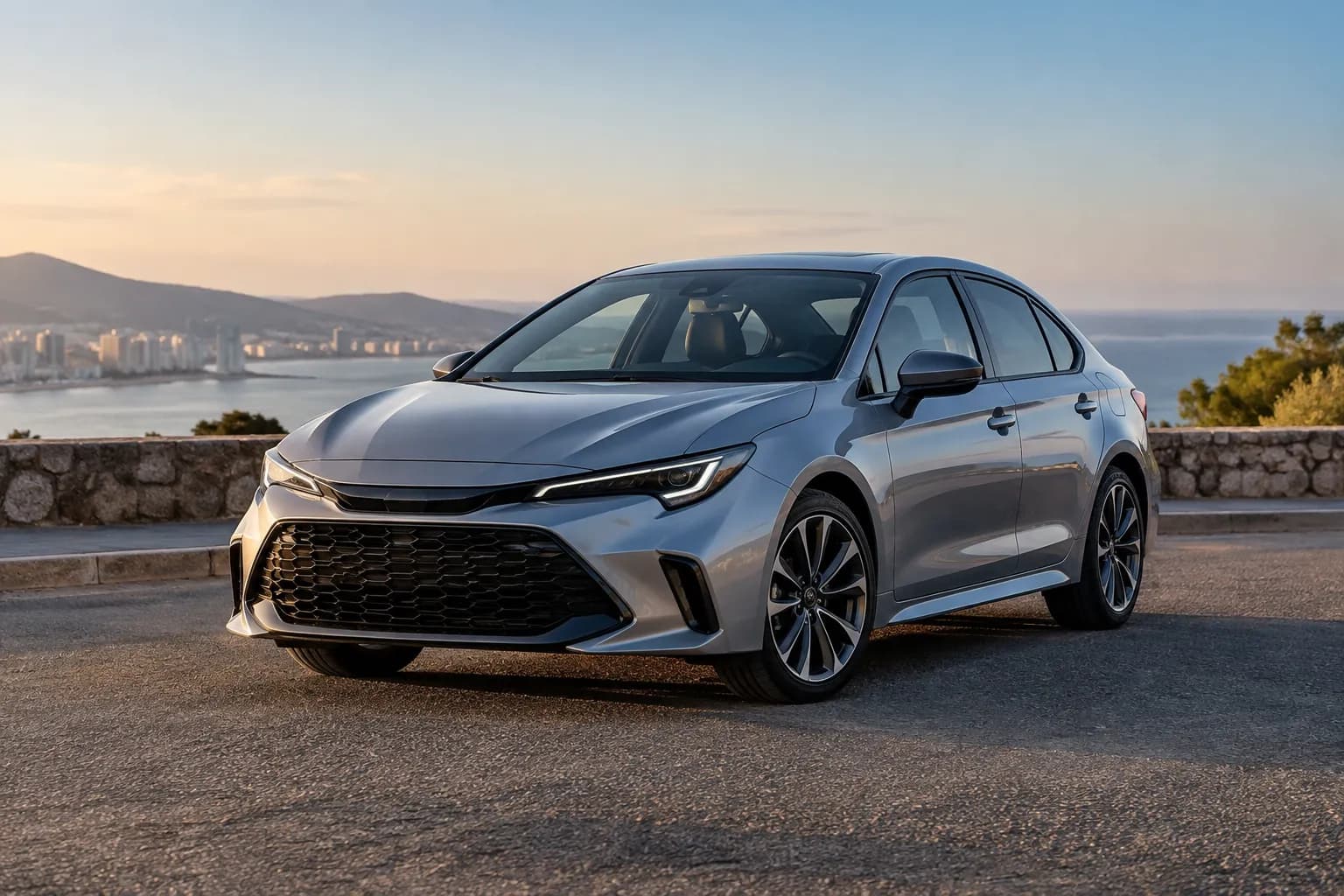
The 2028 Toyota Corolla gets a new 1.5-liter hybrid engine, aiming to improve fuel efficiency by over 15%.
Toyota is preparing a major leap for its iconic Corolla with the upcoming 13th generation, expected in 2028. It will feature diverse powertrains, led by a new hybrid system based on a 1.5-liter four-cylinder engine, utilizing technologies aimed at boosting fuel efficiency and reducing the size of mechanical components.
Toyota revealed additional details regarding the new hybrid powertrain, which will rely on a family of engines specifically developed to integrate seamlessly with electric systems. This move reflects the company's shift toward offering more diverse options among hybrid, electric, and plug-in hybrid vehicles.
These technologies are expected to debut in the next-generation Corolla, which Toyota is preparing to introduce in 2028, following the company's previous confirmation of adopting a multi-energy strategy for its future models.
2028 Toyota Corolla Gets a New 1.5-Liter Hybrid Engine
The new hybrid powertrain relies on a 1.5-liter four-cylinder engine, which Toyota will offer in two versions: naturally aspirated and turbocharged.
The new engines were designed from the ground up to operate within a hybrid system, focusing on reducing size and weight while improving efficiency compared to current engines.
The engines will integrate with advanced electric drive units, including the electric motor, power control unit, and inverter, making these components lighter and more compact than previous generations.
According to Toyota, the naturally aspirated 1.5-liter hybrid version will replace the current 1.8-liter four-cylinder engine, as well as the 1.5-liter three-cylinder engine used in some gasoline-powered Corolla models in overseas markets.
The current Toyota Corolla Hybrid produces 138 horsepower through a 1.8-liter engine working in tandem with two electric motors.
Next-Generation Corolla May Offer Three Powertrains
Information revealed by Toyota indicates its intention to offer the next-generation Corolla with a variety of power options, including:
A traditional hybrid system
A plug-in hybrid system
A fully electric version
Although Toyota has not explicitly confirmed that all these systems will be used in the new Corolla, an illustration published by the company shows a car whose design closely matches the Corolla concept showcased at the Tokyo Motor Show last year.
This direction could mean that the future Corolla may follow in the footsteps of the Camry and RAV4 models by dropping the standalone traditional gasoline engine option and focusing entirely on electric and hybrid powertrains.
More Aerodynamic Design to Improve Fuel Efficiency
The new developments are not limited to the engine and powertrain. Toyota has also focused on reducing the overall size of mechanical and electrical components, allowing for the development of a lower, more aerodynamic exterior design.
This approach helps improve aerodynamics and reduce drag, which is crucial, especially for the fully electric version, as it can contribute to increasing the driving range per charge.
Furthermore, using a more compact hybrid system enables the development of both hybrid and fully electric versions based on the same platform, without requiring major changes to the exterior shape or interior space of the vehicle.
The design, inspired by the new concept car, is expected to give the Corolla a more modern and sporty appearance, featuring a lower front hood and more streamlined exterior lines.
Toyota Aims to Improve Fuel Efficiency by Over 15%
Toyota aims to achieve an improvement of over 15% in fuel efficiency through the new hybrid system compared to current setups.
The company explained that this improvement will result from a series of technical upgrades, most notably:
Reducing mechanical friction within the engine
Improving thermal management and system operating temperatures
Minimizing electrical energy loss
Enhancing aerodynamics and reducing drag thanks to a more streamlined design
Improving fuel efficiency is not the only goal of the new system. Toyota also seeks to reduce development and production costs by standardizing the platform used for hybrid, plug-in hybrid, and fully electric versions.
This approach will give the company greater flexibility to adjust production lines according to demand levels for each type of powertrain, while benefiting from shared components and designs across different models.
Thus, the 13th generation of the 2028 Toyota Corolla appears poised to introduce changes that go beyond design updates, encompassing engines, electric technologies, and fuel efficiency, as part of Toyota's strategy to expand energy options in its future vehicles.