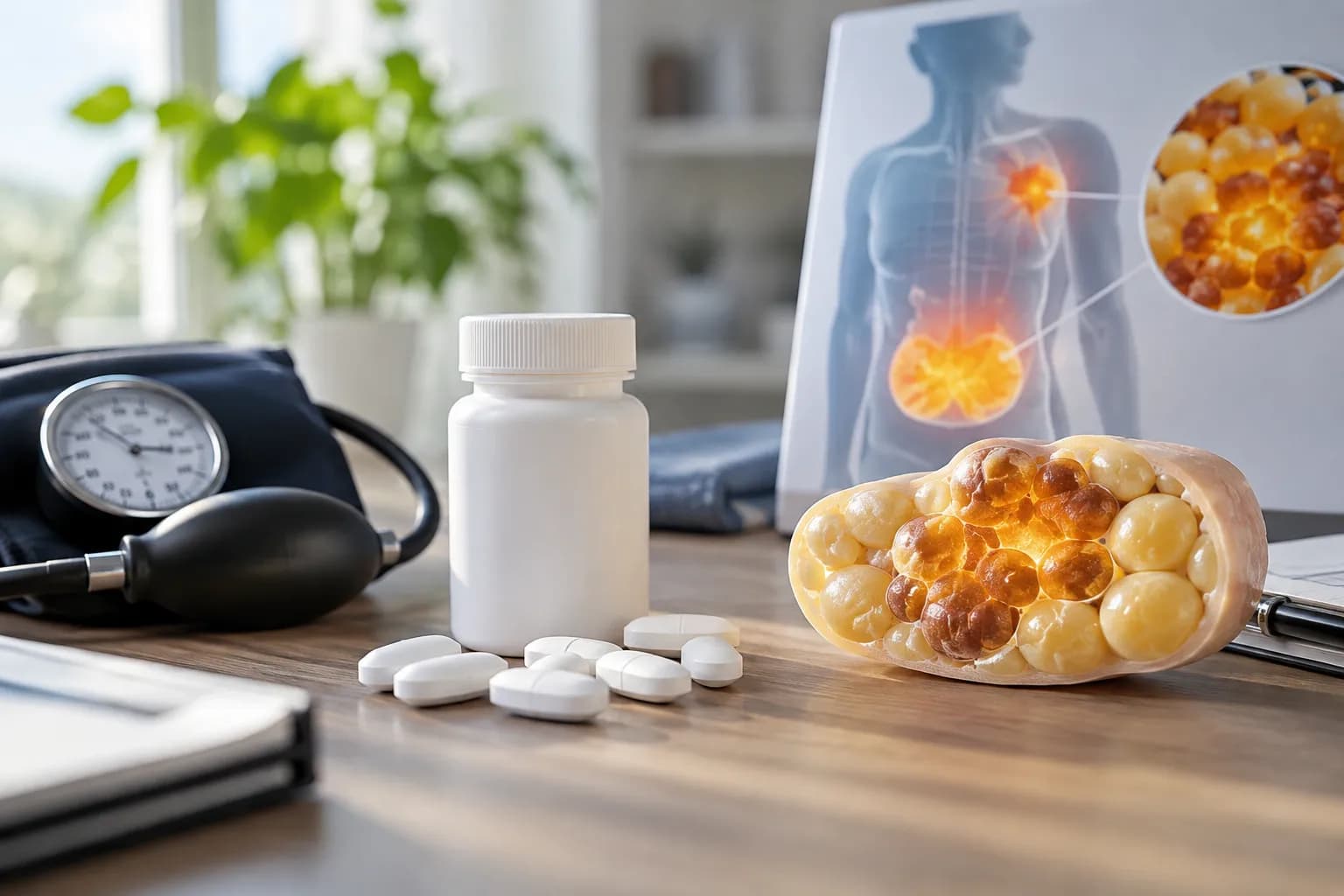

A new preliminary scientific study has revealed a link between caffeine-rich energy drinks and stimulant dietary supplements and higher reporting rates of serious heart problems, including cardiac arrest and heart attacks, especially among young people aged 18 to 34.
The study was based on an analysis of more than 28,000 adverse event reports registered with the U.S. Food and Drug Administration (FDA) between 2017 and 2025. It showed that products containing caffeine or stimulants were associated with higher rates of reported heart complications compared to other products.
According to the findings, reports of cardiac arrest linked to energy drinks and stimulant supplements were about 11 times higher than for products without these substances. The likelihood of reporting heart attacks also increased by about 4.5 times, and ventricular arrhythmias or palpitations by about four times.
Other symptoms included an elevated heart rate at nearly three times the rate, chest pain at 2.71 times, and fainting at almost double the rate. Furthermore, individuals aged 18 to 34 accounted for approximately 45% of the reports related to heart complications.
Youth most affected by the risks of stimulant products
The researchers explained that these results raise concern, especially since energy drinks and stimulant supplements are marketed as everyday products that help increase energy and focus. This may lead consumers to use them without paying attention to the risks of excessive caffeine intake.
Sai Samayamanthula, the lead researcher of the study, pointed out that the regular use of these products may lead to exceeding the recommended daily limit of caffeine, necessitating increased awareness of the potential risks to heart health.
The exact reason behind the high rates of reported heart problems among youth remains not fully clear. It may be related to the consumption rates of these products, taking them before intense exercise, mixing them with alcohol or other substances, or the possibility of undiagnosed heart conditions in some consumers.
Difference in caffeine concentration between coffee and energy drinks
According to a scientific statement issued by the American Heart Association in 2026, consuming up to 400 milligrams of caffeine daily is generally considered safe for most adults, which is equivalent to about five 8-ounce cups of black coffee.
However, some energy drinks contain caffeine amounts up to three times the concentration found in brewed coffee per fluid ounce, while the percentage in some pre-workout supplements may exceed 12 times that amount.
One of the issues is that the FDA classifies energy drinks and stimulant supplements as food or dietary supplements, rather than drugs. Consequently, they are not subject to the same pre-market safety testing required for medications.
Study does not prove caffeine causes heart attacks
Despite the striking findings, the researchers emphasized that the study reveals a statistical association between products containing caffeine and stimulants and heart complications, but it does not prove that these products directly caused those conditions.
The researchers explained that the analysis relied on voluntary reports submitted to the FDA, without knowing the total number of people who consumed these products without experiencing health problems, or the cases that went unreported.
Additionally, the findings were presented as research abstracts at the American Heart Association's Scientific Sessions for 2026 and have not yet undergone peer review. Therefore, they remain preliminary results that require further study and evaluation.
The researchers called for enhanced safety monitoring of products rich in caffeine and stimulants, highlighting the importance of doctors asking young patients who suffer from palpitations, chest pain, or fainting spells about their consumption of these products.