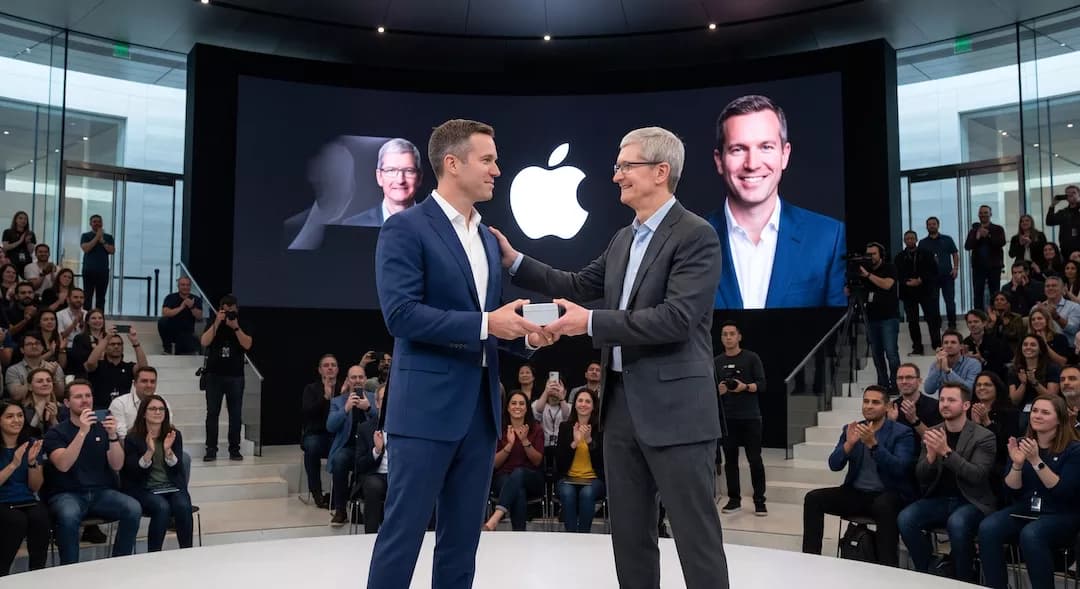

The massive demand for artificial intelligence components has led to a global shortage of memory chips. The crisis has been dubbed "RAMageddon," and now Apple's outgoing CEO, Tim Cook, is warning customers that upcoming Mac, iPhone, and iPad devices may become more expensive due to the significant rise in memory and storage chip prices.
In a recent interview with The Wall Street Journal, Cook said that price increases have become "inevitable," despite the company's attempts to absorb chip costs, which have quadrupled compared to last year. He described the situation as "unsustainable."
Cook did not specify which products would be affected or when the price increases would be implemented, but he had previously warned of the impact of the RAMageddon crisis. In April, after the company announced record quarterly sales, he noted that rising costs could affect Apple's upcoming business results. Incoming CEO John Ternus also warned of the same issue during that month.
How is AI pushing Apple to increase iPhone prices?
If Apple decides to raise prices, the iPhone is likely to be the most affected, according to memory chip supply chain experts who spoke to the Financial Times. The company is expected to launch the new iPhone in September, giving it an opportunity to announce the higher prices. Of course, Apple has several other devices that rely on memory and storage chips, such as the Apple Watch, Mac, iPad, and Apple Vision Pro.
It remains unclear how much the prices of these products will increase, but research firm TechInsights provided an estimate to The Wall Street Journal, indicating that Apple may need to add about $270 to the price of the upcoming iPhone Pro to maintain its current profit margin. The iPhone 17 Pro starts at $1,099.
The AI race creates new pressures on the company and its fans
So far, AI has not been a largely positive factor for Apple, as the company is already facing pressure to establish a clear AI strategy within its devices. Earlier this year, the company also paid a $250 million settlement to end a lawsuit related to misleading advertising, after failing to deliver AI features it had promised two years ago.
However, Apple's Worldwide Developers Conference held earlier this month showed progress in fulfilling those previous promises, including the redevelopment of its voice assistant, Siri. But increased reliance on on-device AI processing could mean a greater need for memory, which may ultimately lead consumers to pay higher prices to acquire their favorite Apple products.